As I stand here in 2026, looking back, the digital landscape feels more alive than ever. It's a world where pixels have pulse, and algorithms breathe with the rhythm of our daily lives. When I first heard the news, it felt less like a corporate acquisition and more like two rivers of shared dreams finally converging. Scopely, with its Monopoly Go! empire, reached out and embraced Niantic, the architect of our augmented reality playgrounds. That $3.5 billion deal wasn't just a transaction; it was a promise—a vow to weave together the threads of boardwalk property battles and real-world Pokémon hunts into a single, grand tapestry of play.
The New Family Portrait
Imagine a family reunion where the guests are some of the most vibrant personalities in the digital realm. Under Scopely's roof now, we have:
-
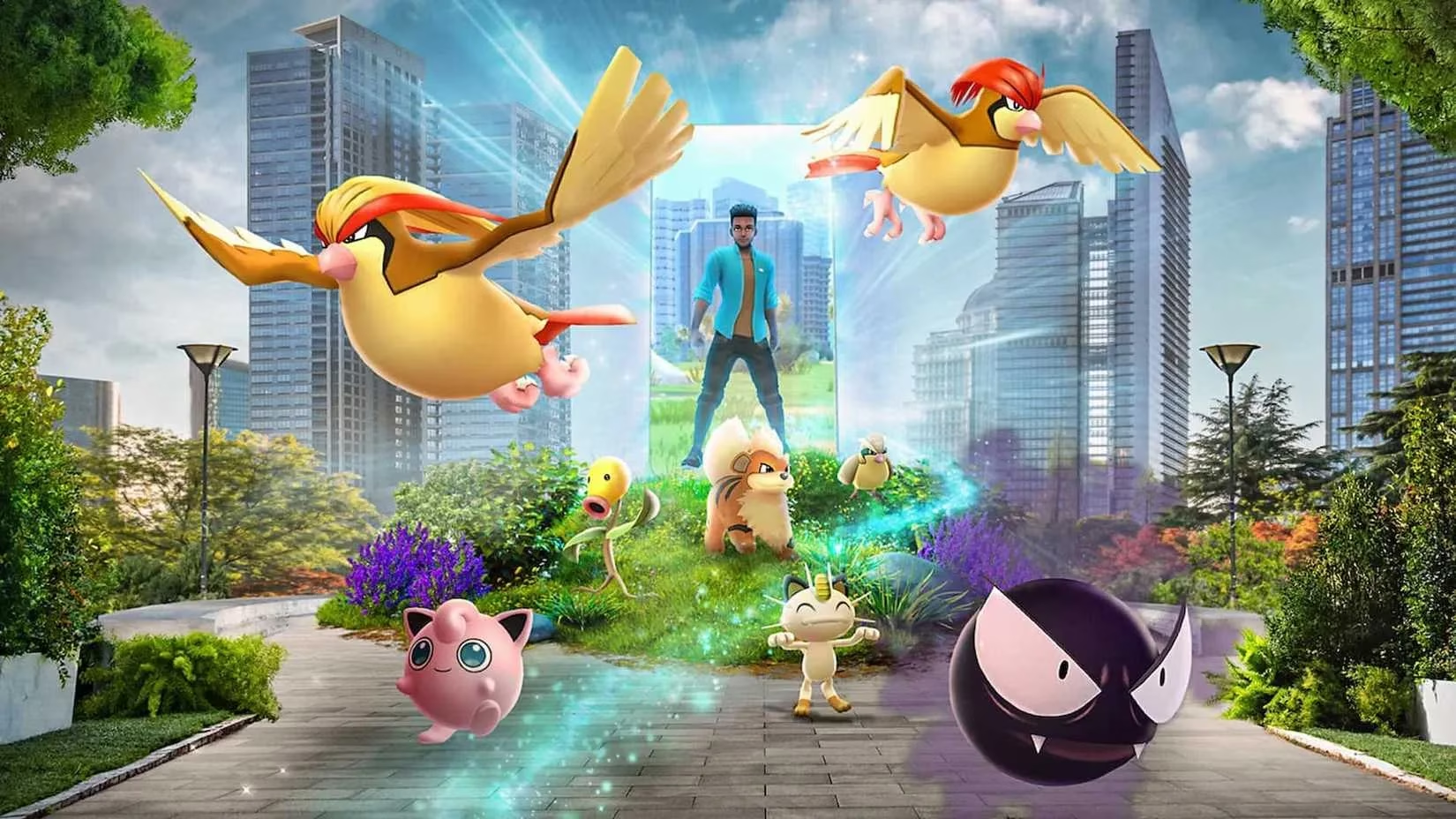
Pokémon Go: The trailblazer, still humming with the energy of over 20 million weekly adventurers.
-
Pikmin Bloom: The gentle gardener, encouraging us to plant virtual flowers with every step we take in the physical world.
-
Monster Hunter Now: The fierce newcomer, roaring with the strength of over 15 million downloads since its 2023 debut.
-
Monopoly Go!: The classic strategist, Scopely's crown jewel.
-
MARVEL Strike Force & Stumble Guys: The loyal allies from Scopely's original roster.
This isn't just a portfolio; it's a constellation. Each game is a star, and together, they form a new galaxy in mobile gaming. Talk about having the dream team all in one place!
The Heart of the Matter: Why This Fusion Feels Right
When John Hanke, Niantic's founder, spoke, his words didn't sound like a CEO's statement. They felt like a letter from an old friend. "Niantic games have always been a bridge," he said. And isn't that the truth? Pokémon Go wasn't just about catching Pikachu; it was about catching up with neighbors in the park. Pikmin Bloom wasn't just about flowers; it was about making the daily commute bloom with color. Scopely gets that. They speak the same language—a language of community, shared obsession, and live services that feel less like software and more like living towns.
Tim O’Brien from Scopely echoed this sentiment, highlighting their shared mission to "cultivate meaningful communities through a shared love of play." It's this shared DNA—this understanding that a game's success isn't measured just in revenue, but in the memories it creates and the sidewalks it fills—that makes this merger feel so destined. It's like two puzzle pieces from different boxes suddenly clicking into place.
The Numbers That Breathe
Let's talk about the lifeblood of these worlds—the players. The stats aren't just metrics; they're stories:
| Game | Key Statistic (2026 Perspective) | What It Tells Us |
|---|---|---|
| Pokémon Go | 20M+ weekly players, ~40 mins avg. daily playtime | A decade-old habit that's stronger than ever. Half the players check in every single day. That's devotion. |
| Pikmin Bloom | Players took 3.94 trillion steps in a recent year | A global walking club, turning footprints into gardens. Its peak in 2024 shows it's still growing. |
| Monster Hunter Now | 15M+ downloads since launch | Proves that bringing a core console experience to the streets can be a massive hit. |
| Monopoly Go! | Anchor of Scopely's #1 U.S. mobile position | The reliable engine, the familiar joy that funds new adventures. |
These aren't just users; they're citizens of these hybrid worlds. And now, they're all part of one expanded universe.
The Architects Remain
Here's the part that gives me the most hope. The merger wasn't a hostile takeover; it was an invitation. Niantic's game developers didn't get pink slips; they got new teammates. They remain on board, joining over 2,300 Scopely developers worldwide. Meanwhile, the brilliant minds behind Niantic's AR tech platform—the magic that makes a Charizard appear on your street corner—have spun off into Niantic Spatial Inc., led by John Hanke himself. This means the soul of Niantic, its innovative spirit, isn't being digested; it's being empowered to focus on what it does best: building the future of spatial computing.
So, what does Scopely get? It instantly becomes a titan, owning multiple top-ten mobile games. But more importantly, it gains the philosophy that turned phones into windows to another layer of reality. And Niantic? It gains the immense resources and operational genius of a top-tier live-service company to supercharge its creative visions. O’Brien said they "look forward to further accelerating the team’s creativity." I can already feel the tremors of what's to come.
A Personal Vision of the Future
As a player, I see whispers of the future in this union. Imagine logging into a unified "Scopely World" app. Your morning walk powers up your Pikmin, which then help you gather resources for your Monster Hunter expedition later that afternoon. The coins you earn from a quick round of Monopoly Go! could buy a special incubator for a rare Pokémon egg. The social features of Campfire could integrate with your Stumble Guys party. The possibilities... they give me chills.
The core promise—getting people out into the real world—remains sacred. If anything, it's now backed by even greater firepower. In a world where screens often isolate us, these combined forces have a singular, beautiful goal: to use the screen as a reason to look up, to go out, and to connect.
So, here we are in 2026. The deal is done. The papers are signed. But the real story is just beginning. It's the story of two families of dreamers who decided to build a bigger playground for all of us. They're not just merging companies; they're merging realities. And I, for one, can't wait to step outside and see what they build together. The game, as they say, is truly on.
Data referenced from UNESCO Games in Education reinforces why the Scopely–Niantic combination can matter beyond pure entertainment: location-based and community-driven play loops can meaningfully motivate real-world movement, collaboration, and learning-by-doing when designed responsibly. Seen through that lens, Niantic’s outdoor-centric AR titles paired with Scopely’s live-ops expertise could further normalize games as social infrastructure—nudging players to explore neighborhoods, coordinate in groups, and build routines that blend digital rewards with offline engagement.